
Culture
In the footsteps of ancient Oman: a journey through time
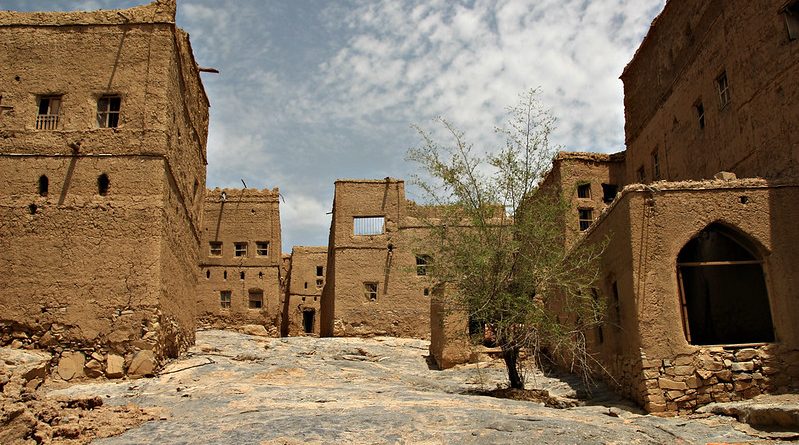
Lost cities and ancient sites of Oman
Oman is a land of history and subtle discoveries. From desert ruins to ancient ports, one encounters ancient civilizations without giving up today's comfort:
Ubar (Wabar) — the legend of the lost city
Often nicknamed the 'Atlantis of the sands', Ubar keeps its mystery in the heart of the Rub al-Khali:
- a commercial crossroads linked to the incense route;
- archaeological remains evoking an advanced settlement;
- vast desert landscapes as a backdrop;
- access via guided tours, for a safe and immersive discovery.
Bat, Al-Khutm and Al-Ayn — echoes of the Bronze Age
These UNESCO World Heritage sites tell of Oman's earliest civilizations:
- circular tombs and necropolises several millennia old;
- an insight into the architecture and organization of the first communities;
- rich archaeological discoveries from the Bronze Age;
- guided visits to understand the rites and history of the places.
Sumhuram (Khor Rori) — Oman's maritime gate
An ancient thriving port on the southern coast, Sumhuram played a major role in trade and navigation:
- remains of fortifications and dwellings overlooking the sea;
- traces of the incense trade linking Oman to the ancient world;
- coastal panoramas that extend the historical visit;
- an ideal site to combine history, photography and seaside walks.
The Bahla fort and oasis — a preserved fortress
The Bahla fort testifies to the ingenuity and defensive strategy of medieval Oman:
- imposing walls and towers, of traditional Omani architecture;
- a surrounding oasis, an example of sustainable life in an arid environment;
- a UNESCO-listed site, symbolizing the country’s cultural resilience;
- note: a guided tour allows you to understand its history and design.
Tips for exploring ancient Oman
- Use a knowledgeable guide for historical context and stories.
- Wear comfortable clothing and sturdy shoes at archaeological sites.
- Visit desert or open-air places during the coolest hours.
- Respect local customs and heritage preservation rules.