



How Safe is the Food and Water in Oman for International Travelers?
Food and water safety concerns are common among international travelers, but Oman maintains high standards of food hygiene and water quality that make dining a safe and enjoyable experience. The country's modern infrastructure and emphasis on tourism quality ensure that visitors can confidently explore Omani cuisine without significant health concerns
Water Quality and Safety
Municipal Water Systems
Oman’s tap water meets international safety standards for washing and cleaning purposes:
- Safe for brushing teeth and washing fruits and vegetables
- Modern treatment facilities ensure clean water supply in urban areas
- Regular quality monitoring maintains high standards
Bottled Water Recommendations
Bottled water is widely available and recommended for drinking:
- Reliable brands available at all shops, restaurants, and hotels
- Hotel and restaurant standard – Most establishments serve bottled water
Regional Water Considerations
- Urban areas (Muscat, Nizwa, Salalah) have excellent water infrastructure
- Remote areas may have variable water quality
- Desert camping requires bringing sufficient bottled water supplies
- Mountain regions generally maintain good water quality
Restaurant Hygiene and Food Safety Standards
Modern Restaurant Standards
Oman’s tourism focus has elevated restaurant hygiene standards:
- Government health inspections ensure compliance with international standards
- Modern kitchen facilities in tourist-oriented restaurants
- Staff training programs emphasizing food safety and hygiene
- International chain standards – Major hotel restaurants follow global protocols
Traditional Restaurant Safety
Traditional establishments serving authentic Omani cuisine maintain good practices:
- Fresh ingredient preparation – Daily sourcing and preparation of ingredients
- Traditional cooking methods like slow-roasting and underground cooking kill harmful bacteria
- High turnover ensures food freshness in popular local establishments
- Spice preservation – Traditional spice use has natural antimicrobial properties
Traditional Food Safety Practices
Ancient Preservation Methods
Traditional Omani cooking techniques enhance food safety:
- Extended cooking processes – Dishes like Shuwa cooked for 48+ hours eliminate pathogens
- Spice combinations with antimicrobial properties protect food
- Salt preservation used in traditional meat and fish preparation
- Fresh preparation emphasis – Most traditional dishes prepared daily
Seasonal Food Considerations
Seasonal eating patterns contribute to food safety:
- Fresh seasonal produce during appropriate harvest times
- Monsoon season foods in Salalah feature fresh tropical fruits
- Desert date consumption from reliable, traditional sources
- Coastal seafood prepared fresh daily from local catches
Specific Dish Safety Considerations
Meat and Poultry Dishes
Popular Omani meat dishes are generally safe when properly prepared:
- Majboos – Rice and meat dish cooked at high temperatures
- Mishkak – Grilled meat skewers cooked fresh at high heat
- Mashuai – Grilled fish prepared fresh daily
- Traditional stews – Long cooking times ensure thorough preparation
Dairy and Fermented Products
Dairy products in Oman follow modern safety standards:
- Pasteurized milk products widely available
- Traditional dairy items from reputable sources
- Hotel and restaurant dairy meets international standards
Fresh Fruits and Vegetables
Produce safety considerations:
- Wash thoroughly with bottled or treated water
- Peel fruits yourself when possible
- Choose cooked vegetables in questionable establishments
- Traditional markets – Select fresh, high-quality produce
Emergency Preparedness
Medical Facilities and Support
Oman’s healthcare system supports tourists:
- Modern hospitals in all major cities with international standards
- Pharmacies widely available for minor digestive issues
- Travel insurance recommended for comprehensive coverage
- Emergency services readily accessible in tourist areas
Basic Health Supplies
Recommended travel health kit:
- Anti-diarrheal medication for minor digestive adjustment
- Rehydration salts for hot climate considerations
- Basic pain relievers for general health needs
- Hand sanitizer for on-the-go cleanliness
Cultural Food Experiences
Safe Cultural Dining
Traditional dining experiences can be enjoyed safely:
- Family invitations – Accept graciously, as Omanis take pride in food quality
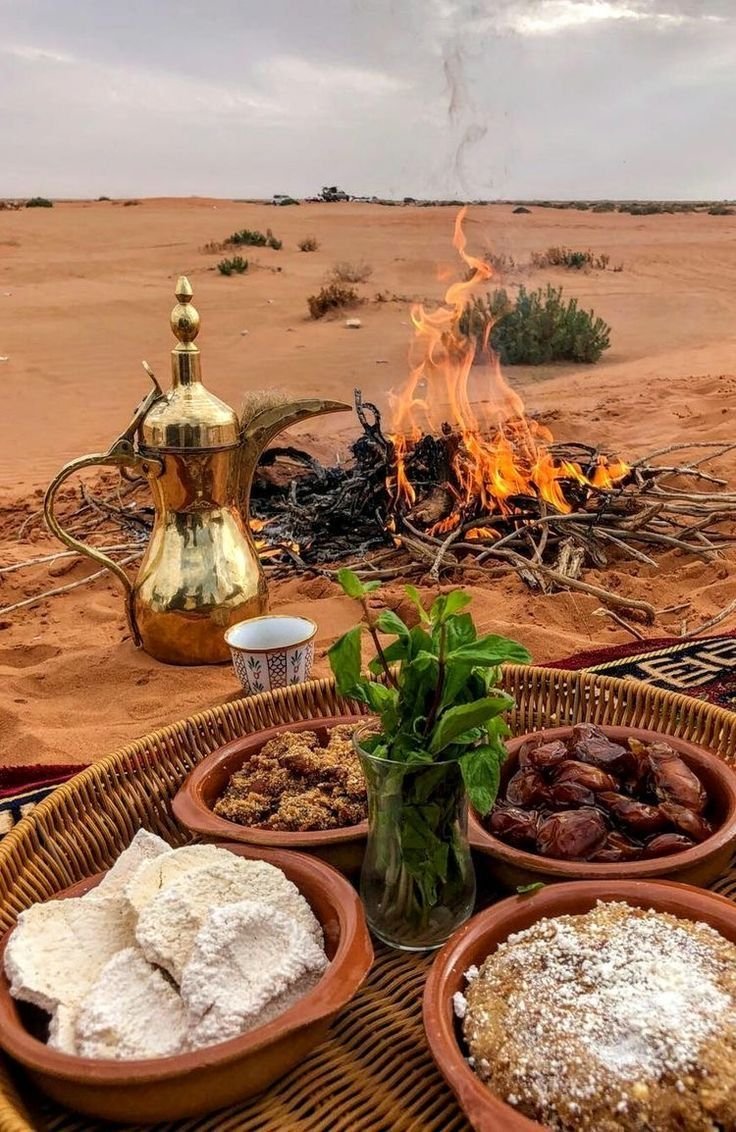
- Desert camp meals – Traditional preparation methods are generally safe
- Festival and celebration foods – Community preparation ensures quality
- Traditional coffee ceremonies – Kahwa and dates are safe traditional offerings
Seasonal Considerations
- Hot weather impacts – Choose recently prepared foods during extreme heat
- Ramadan period – Adjusted meal times but maintained quality standards
- Festival periods – Increased food preparation activity with community oversight
The high standards of food safety in Oman, combined with traditional food preservation methods and modern hygiene practices, create an environment where travelers can confidently explore the country’s incredible culinary heritage. The welcoming atmosphere of Omani dining culture, coupled with reliable safety standards, makes food exploration one of the highlights of visiting this remarkable destination.
Have more questions? Contact us.